Watercolor Heart Collage PNG: A Guide to Romantic Digital Design
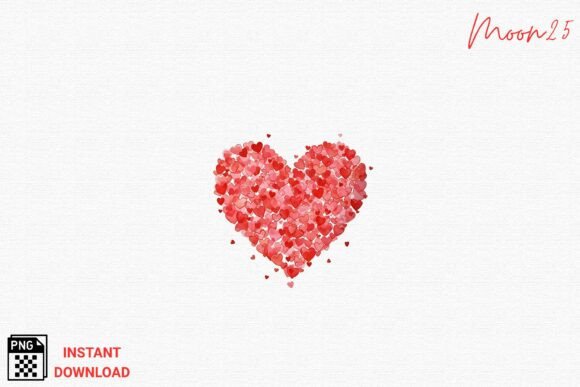
Creating heartfelt gifts or romantic merchandise requires more than just good intentions; it demands the right visual assets. The Watercolor Heart Collage PNG has emerged as a staple for designers, crafters, and small business owners looking to infuse their projects with warmth and elegance. This specific design features dozens of small red and pink hearts blended together to form one large, cohesive heart shape. The layered watercolor effect creates depth and a dreamy aesthetic that resonates deeply with audiences celebrating love, whether for Valentine’s Day, weddings, or anniversaries.
However, simply downloading a file is not enough to guarantee professional results. Many creators overlook critical technical details that can compromise the quality of their final product. Understanding how to properly evaluate, prepare, and apply this digital asset is essential for avoiding wasted time and materials. This guide explores common pitfalls and provides practical advice to ensure your creations stand out for all the right reasons.
Understanding Resolution and Print Quality
One of the most frequent mistakes beginners make is assuming that any image labeled "high quality" will print well on physical products. For sublimation projects, such as shirts, mugs, or tote bags, resolution is non-negotiable. The Watercolor Heart Collage PNG described here comes in at 4096 × 4096 pixels. While this is a substantial size, it is crucial to understand what this means for your specific application.
If you attempt to stretch this image beyond its intended dimensions, you will encounter pixelation or blurriness, which destroys the soft, delicate nature of the watercolor style. A common error is placing this design on large wall art without checking the DPI (dots per inch) settings in your printing software. For crisp results, aim for 300 DPI at the final print size. If you are printing a 12-inch by 12-inch design, the 4096-pixel width is more than sufficient. However, if you try to print it at 24 inches wide, the quality will degrade significantly.
Better Approach: Always calculate your required print size before starting. Use the formula: Pixels ÷ 300 = Inches. For this specific file, you can safely print up to approximately 13.6 inches square at high quality. If you need larger formats, consider using vector-based alternatives or contacting the artist for extended licensing options.
The Importance of File Formats and Backgrounds
Another overlooked detail involves the file format itself. The product description specifies a high-quality JPG file. While JPGs are excellent for photographic detail and smaller file sizes, they do not support transparency. This is a critical distinction for crafters who want to place the heart collage onto colored fabrics or patterned backgrounds.
Many users mistakenly believe they can easily remove the white background of a JPG using basic editing tools. While possible, this often results in jagged edges or halos around the delicate watercolor strokes, ruining the soft, blended aesthetic. The beauty of this design lies in its seamless integration of red and pink hues. A poorly removed background creates a harsh border that clashes with the romantic theme.
Practical Advice: If your project requires a transparent background, look for PNG files specifically marketed with transparency. If you are working with the JPG version provided, plan your designs on white or very light-colored substrates. For dark garments, you may need to use a white underbase in your sublimation process or choose a different file type that supports alpha channels. Always check the file extension before purchasing to ensure it matches your workflow.
Color Accuracy and Screen Calibration
Digital designs often look vibrant on screen but duller in print. This discrepancy is particularly noticeable with watercolor styles, which rely on subtle gradients and translucent layers. A common frustration among DIY crafters is receiving prints where the reds appear muddy or the pinks look washed out. This is rarely a fault of the digital file but rather a mismatch between screen calibration and printer profiles.
Most consumer monitors are calibrated for brightness and contrast suited for web browsing, not color-accurate printing. When you view the Watercolor Heart Collage PNG on a bright screen, the colors may appear more saturated than they will look on paper or fabric. Additionally, different printers use varying ink sets and paper types, which absorb ink differently.
How to Avoid Disappointment: Perform a test print on the exact material you intend to use for the final product. Adjust your printer settings to "High Quality" or "Photo" mode to ensure the ink is laid down densely enough to capture the watercolor nuances. If possible, calibrate your monitor using a hardware calibrator or adjust your screen brightness to a standard level. Keep in mind that slight variations are normal in digital printing, but significant shifts indicate a need for profile adjustment.
Choosing the Right Substrate for Sublimation
Sublimation is a popular method for applying this design to merchandise, but it has strict requirements. The ink turns into gas under heat and bonds with polyester fibers or polymer-coated surfaces. A frequent mistake is attempting to sublimate onto 100% cotton or uncoated ceramics. The result will be a faint, washed-out image that fades after the first wash.
For the best results with this romantic heart design, ensure your blanks are at least 65% polyester for fabrics. For mugs and hard goods, verify that they have a specialized sublimation coating. The intricate details of the layered hearts require a smooth, consistent surface to render correctly. Textured fabrics can break up the fine lines of the watercolor effect, making the design look fragmented.
Recommendation: Stick to smooth, light-colored polyester blends for apparel. For home décor items like pillows or wall art, ensure the fabric is tightly woven. If you are creating greeting cards, use high-quality cardstock that can handle the heat press without scorching. The versatility of this design shines when paired with the right materials, enhancing its dreamy aesthetic rather than fighting against it.
Licensing and Commercial Use Considerations
Finally, many creators overlook the licensing terms associated with digital downloads. Just because you purchased a file does not automatically grant you the right to resell the digital file itself or use it in unlimited commercial products without restriction. Always read the license agreement provided by the seller.
For small business owners, understanding these boundaries is crucial for legal compliance. Most standard licenses allow for the creation of physical end-products, such as shirts or mugs, but prohibit the redistribution of the original JPG file. Misunderstanding this can lead to account suspensions on marketplaces or legal issues.
Final Check: Before launching a product line featuring the Watercolor Heart Collage PNG, review the seller’s terms. If you plan to produce items in large quantities, check if there are tiered licensing options. Respecting intellectual property not only protects your business but also supports the artists who create these beautiful resources.
By paying attention to resolution, file formats, color management, substrate compatibility, and licensing, you can transform this simple digital download into stunning, professional-grade creations. The key is preparation and understanding the technical nuances that bridge the gap between digital art and physical reality.